回国之路
上一次回国探亲已经是六年以前了,而在那之前差不多十二年都没有回过国。长期在海外飘着的感觉就像一根被折断的莲藕。一节是自己,另一节是朋友,亲人和故土。藕断丝连。可是时间一长,这些丝就一根一根地被拉长变细,直到断开,最后只剩下为数不多的几根,就是自己的父母和最亲近的亲戚朋友。这些不多的牵挂,也似乎越来越远,越来越飘逸。长时间不见,心里面更是徒增紧张与焦躁。害怕,害怕像被藕一样完完全全折断,与故乡没有任何的牵连。所以回国就像一次次的疗伤行动。治疗思乡的情绪,把断掉的藕丝再一根一根的接上。
前两次回国(16 & 17)的是治疗长达十二年的伤。这么久的时间,再加上空间的巨大变化,在我大脑记忆里的过去和现在的里留下了巨大的空白。非常艰难,两年内回了两次呆了差不多两个月,去了从前“战斗”过的地方,好不容易把曾经的过去和现在连接起来,把空白填上。突然一切却又被整个中国的关闭,硬生生地拦腰折断。这一次的折断,更是让人无所适从。这几年完全不可预期的任意关闭或开放,和回国的隔离和种种苛刻的检疫要求,和少的几乎不存在的航班,让我们这些在海外的人几乎没有办法成行。这样的折磨真的让人交瘁。父母生病,年老的亲人离世,都让人无比牵挂,却无法成行。就像藕的丝一样,许多真的是被断开消失,让人感觉到无奈伤痛。
所以一有机会便立即回国。
老婆四月送她妈妈回国独自一个人在中国待了近三个月。她回到家的时候,我回国的心思便一发不可收拾了,这么多年终于可以看见尽头了。可以趁这个年度快要完结,而新一年工作还没有开始开展的时候,也就是九十月回去一趟。如果可以的话把还从未去过中国见过爷爷奶奶的小女儿老三带上。她四岁还在幼儿园,请假并不是问题,而两个姐姐们则必须在家里上学,这次就没有办法了。
第一关是给老三这个小小的美国人申请中国签证,而姐姐们都是旅行证,所以这也是我们第一次。七八月份已经不是签证的旺季了,算是顺利地约到8月3号在华盛顿大使馆签证,一切都很顺利。只是在DC的时候,妈妈一个电话打来,告知三舅也过世了,过几天便将骨灰送回老家安葬。打完电话以后,又是一阵迷惘。这已经是自去年十二月来第三位亲人过世了。这样的丝断了就永远接不起来了。
好不容易回趟国,三周假期,日程当然是要精心设计一下。拿到签证以后就定差不多在国内中秋长假前后。长假的时候回国,计划就是呆在家里哪儿也不去,仅仅是陪亲人,也不想去看那超一流的人山人海。提前几天到达和长假之后离开,就可以错过高峰,带着父母走一走。比如去看看上海。他们经常从上海到美国,却是并没有在那里停留看看独特的风景。
定下9月21号到10月12号的机票后。一切都是在等待,在激动中的等待。后来快临近的时候被通知,这个时间内有一个堂弟的婚礼和一个堂侄的满月酒。惊喜之余,不仅感叹这么多年不知错过了多少亲情的大会。这个堂弟是我姑婆的外孙。我们从小很多的时间都是在一起的。而上次2017年回国也是参加了姑婆的外孙女儿的婚礼。我想如果姑婆在九泉下得知的话也一定会很高兴的。
旅程开始
早上四点多起床和老三坐上订的Uber去往机场的时候,激动和充满憧憬的心才慢慢的回归到现实。太久了,这一切看上去又似乎不那么现实。前几天工作的收尾和安排家里面各种各样的事情,和其它的一些压力,让人十分的疲惫,并没有注意到这个行程的艰辛。我们先做支线飞机飞到休斯顿,在机场等三个小时以后,然后再坐全日空的787飞到东京羽田机场。这是逆风飞扬,差不多要14个小时的时间。然后又在羽田机场又要等候七个小时,乘坐一天唯二的一班全日空到上海的飞机。到达上海已经是凌晨一两点,而去往重庆的最早一班飞机也要早上七点。所以从家到重庆要经过差不多四十个小时的时间。想想真是可悲,当年一周往返中美有三百多个航班,而这个2023年的九月份才仅仅二十班飞机,而且还是已经增加一倍之后的。从羽田机场到上海的全日空,仅仅一天有两班飞机,而且基本上没有去往除北京上海外其他中国城市的飞机,真不知道未来还会有什么样奇葩的事情发生。(刚写完这个,就又发生了很多奇葩的事情。)
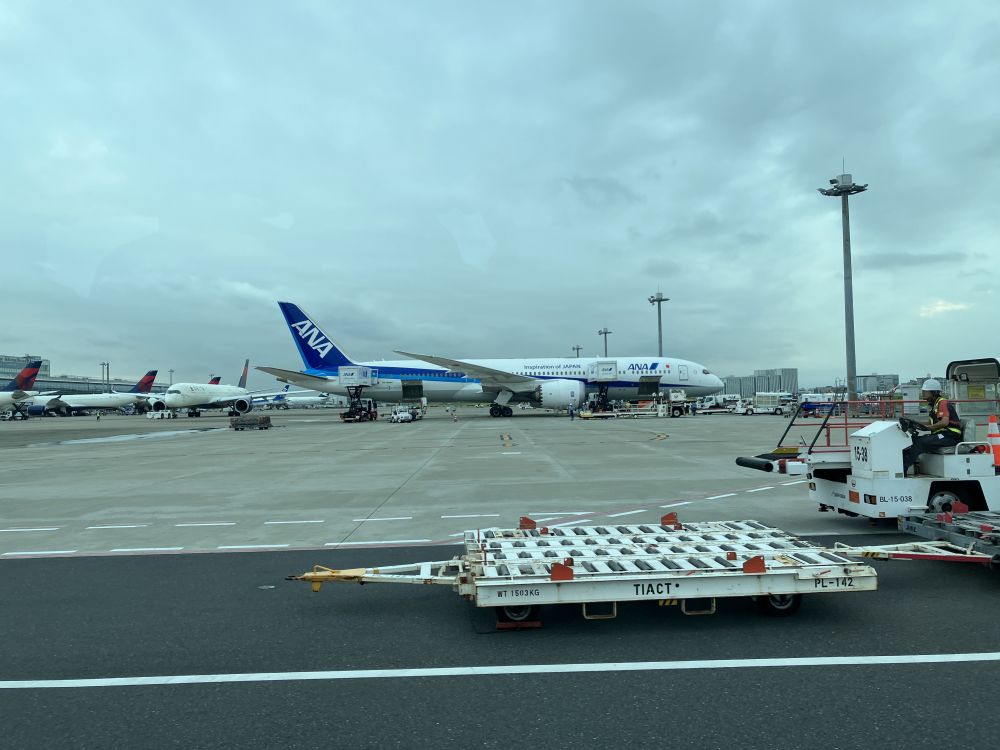
第一次坐日本的航空公司,十分期待肯定要比美国好的服务。上飞机前赶紧把还记得的几句日语问候的练习了一遍。果然在休斯顿的时候gate agent看见我就直接开始用日语问候了,感觉十分的异国情调却有点亲切。在飞机上,经济舱的餐食也十分精致,日本的风味和西式的混在一起。四岁的小朋友,有一个屏幕在面前可以自己玩儿就无比快乐了,连觉也不睡。让我十分的无奈。
不知道是不是因为是日本的航司, 空调的温度开的不是那么低,飞机上的温度感觉挺高的,这真有一点让人不适应。再加上前几天劳累的压力,让我还真的是很不舒服。小朋友经常换频道让我帮忙,也没办法睡觉。
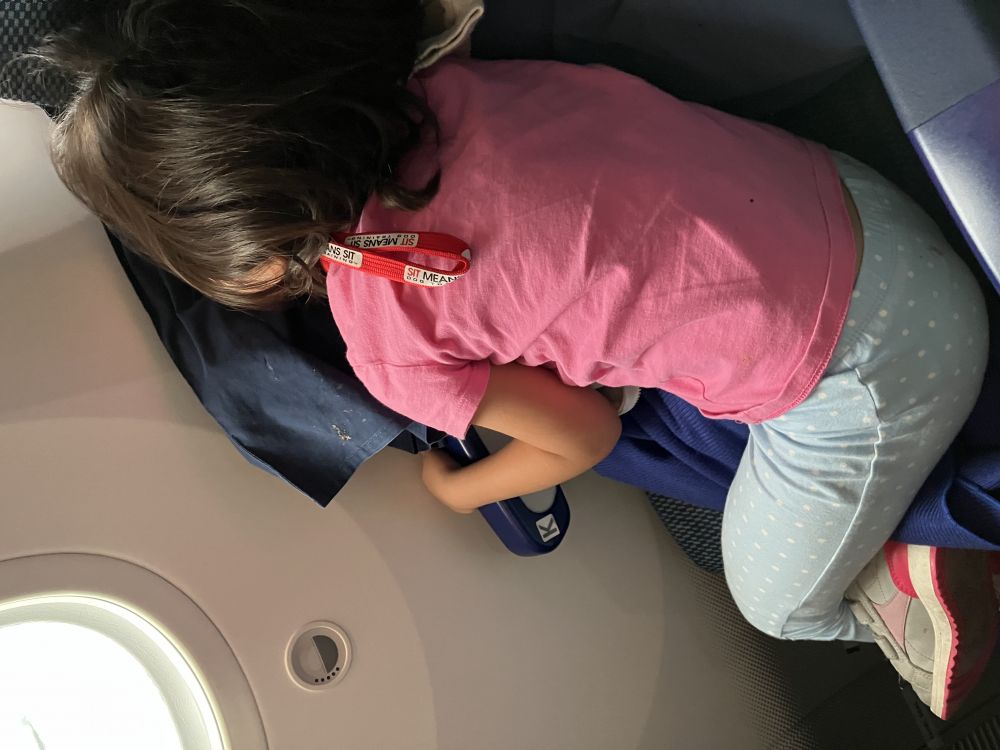
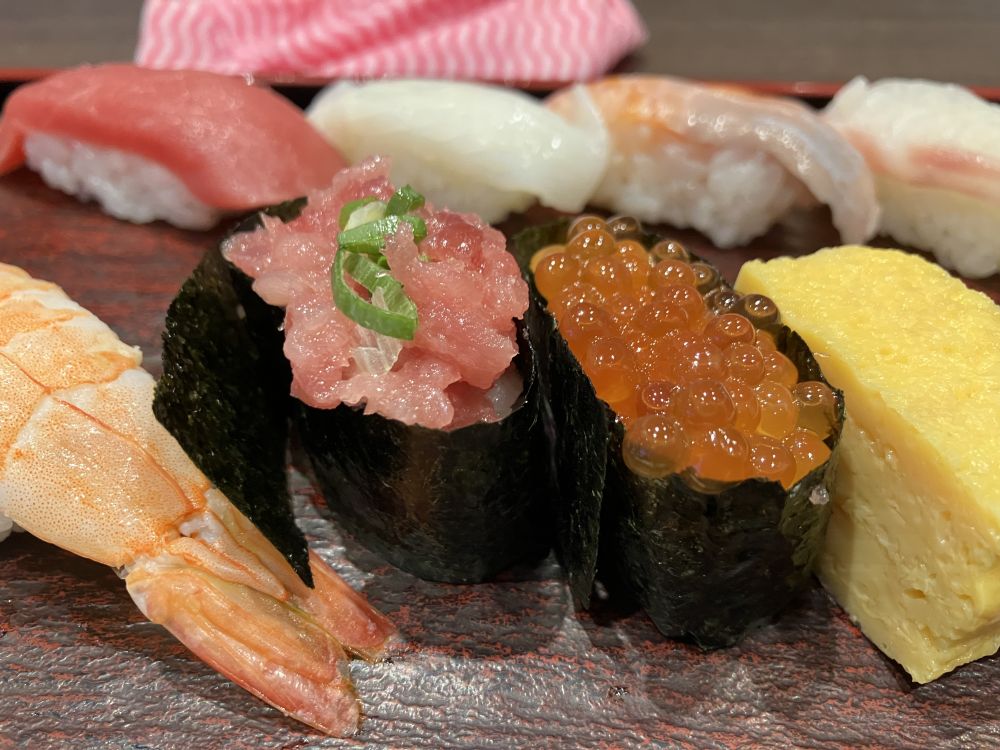
不过第一次到日本感觉很新鲜。开始看到机场里贴满了广告,特别多的是中国公司的广告,比如说各种中国的银行和银联,显示着崛起大国的实力。七个小时转机的时间,我带着小女儿逛机场里面的商店。那些精致的小东西算了算日元美元汇率还挺便宜的,选了不少准备带回去当做礼物。支付的时候,就是一张带在身上的Costco VISA卡,跟在美国没有两样十分方便。最让我感到兴奋的是能够品尝正宗的日本寿司。虽然在机场里面,也做得十分的精致漂亮。看得出来,做的人是用心在做的。放在口里面,最喜欢淡淡的米香。还有以前父母提过的日本厕所,真的是超极周到干净舒服。因为带着女儿,每次都去的accessible 的那种,里面真的的非常的好。在机场等待的时候女儿想睡觉了,就可以横在椅子上睡着,而我却不能,只能守在旁边,一点不能打瞌睡十分难受。
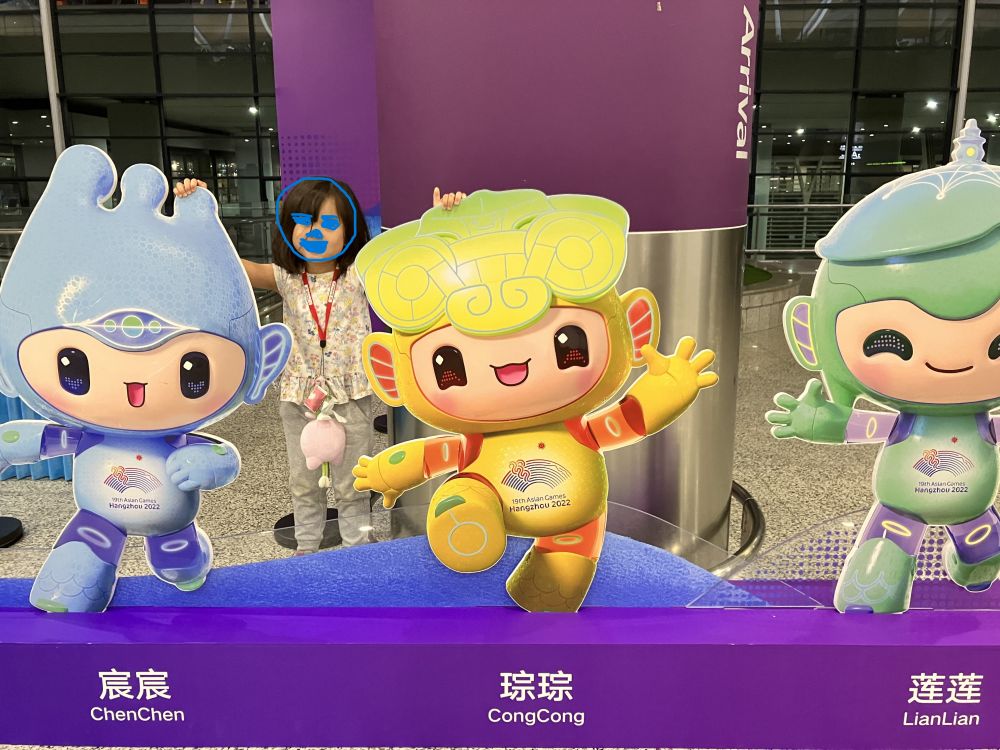
终于最后飞机降落在浦东机场,回到中国了。下飞机沿着长长的通道,慢慢的带着小女儿走到海关。不知道是半夜的原因,还是飞机本来就没有多少,人不多。把在日本就填好了健康码一扫,然后就走了出去通关。只有两个工作人员。一个人守着中国人通关处另外一个人守着外国人通关处。带着这个小小的美国人,我们走的是几乎没人的外国人通道。工作人员也挺友好的。后面拿到了托运行李也没有再检查,连X光机没有放就让我们很快过了。没有遇到开箱补税那些乱七八糟的东西。这样我们就回到国内了。半夜的机场比较冷清,看看屏幕上国际到达似乎从一点到七点之间就只有两三班。不知道这是因为covid的原因还是之前就这样。机场冷清,但是还是有不少人过夜。就像我们一样在那里等候早晨的航班。小朋友在日本睡了一觉之后就完全清醒了,好奇的到处看。一眼就看到了机场杭州亚运会的那几个吉祥物的牌子。她最喜欢这种看起来像superhero或者玩偶的东西,赶快合影一个。
Translated by ChatGPT:
The Journey Home
It has been six years since I last visited my home country, and before that, it was nearly twelve years of absence. The feeling of drifting overseas for so long is like a lotus root broken into pieces. One part is myself, and the other parts are my friends, family, and homeland. Though the threads connecting us are stretched thin, over time, these threads have been pulled longer and thinner, until they eventually break. Only a few threads remain, connecting me to my parents and closest relatives and friends. These few remaining attachments seem to be growing more distant and ethereal. Long periods of separation intensify the feelings of tension and restlessness. The fear of being completely severed, just like a lotus root, from any connection to my homeland is palpable. So, returning home becomes a healing process, an attempt to mend the emotional ties to my homeland and reconnect the broken threads.
The first two visits back in 2016 and 2017 served as a remedy for the twelve years of absence. In that long span of time, coupled with significant spatial changes, vast blanks appeared in my memory, creating gaps between my past and present. It was a challenging endeavor, spending two months there within two years, revisiting the places I had once "battled." I painstakingly reconnected my past and present, filling in the blanks. Suddenly, everything came to a halt due to the nationwide lockdown in China. This abrupt interruption left me feeling utterly lost. In recent years, the unpredictable closures or openings, coupled with strict quarantine requirements upon returning home, and the scarcity of flights, made it nearly impossible for people like me living abroad to visit. This kind of torment is truly exhausting. The illnesses of parents, the passing of elderly relatives—all these worries cannot be alleviated because we cannot go back. Like the threads of the lotus root, many have truly been severed and disappeared, leaving a sense of helplessness and pain.
So, whenever an opportunity arises, I seize it to return home.
My wife accompanied her mother back to China in April and stayed there alone for nearly three months. When she returned home, my desire to return to China became irresistible after so many years. Finally, there seems to be an end in sight. Taking advantage of the end of this year and the start of the new year, I decided to go back in October, after the Mid-Autumn Festival. If possible, I planned to bring along our youngest daughter, who has never been to China to see her grandparents. She is only four years old and still in kindergarten, so taking time off was not an issue for her. However, her two older sisters had to stay home for school this time.
The first challenge was applying for a Chinese visa for our youngest daughter, who is a little American citizen. Her sisters had travel documents, so this was our first time applying for a visa. It was no longer the peak season for visa applications by July or August, and we successfully scheduled her appointment for August 3rd at the Chinese Embassy in Washington, D.C. Everything went smoothly. However, when I was in D.C., my mother called to inform me that my third uncle had also passed away, and his ashes would be returned to our hometown for burial in a few days. After the call, a sense of confusion washed over me. This marked the third relative to pass away since December of the previous year. Once these threads are broken, they can never be reconnected.
The Journey Begins
We woke up a little after 4 AM, filled with excitement and anticipation, and took an Uber to the airport. It had been too long, and everything seemed surreal. The final days of work, sorting out various matters at home, along with other stresses, had left me incredibly tired, and I didn't pay much attention to the challenges of this journey. We first took a domestic flight to Houston, waited at the airport for three hours, then boarded an ANA (All Nippon Airways) Boeing 787 to Tokyo Haneda Airport. It was against the wind, a journey of approximately 14 hours. Then we had to wait for another seven hours at Haneda Airport before boarding one of the two ANA flights to Shanghai, the only two flights from Haneda to China. We arrived in Shanghai around 1 or 2 AM, and the first flight to Chongqing wasn't until 7 AM. So, it took nearly forty hours from home to reach Chongqing, making me realize how arduous the journey was. Back in the day, there were more than 300 flights per week between China and the United States. In September 2023, there were only twenty flights, even after doubling the number. From Haneda Airport to Shanghai, there were only two ANA flights per day, and there were almost no flights to other Chinese cities apart from Beijing and Shanghai. I couldn't fathom what other bizarre events might occur in the future (and indeed, many more bizarre events have occurred since writing this).
This was my first time flying with a Japanese airline, and I was expecting better service than what I had experienced in the United States. Before boarding, I quickly practiced a few Japanese greetings I remembered. As expected, when I was in Houston, the gate agent greeted me in Japanese as soon as she saw me. It felt exotic yet strangely familiar. On the plane, the economy class meals were exquisite, blending Japanese and Western flavors. My four-year-old daughter was thrilled to have her own screen to play with, so she didn't want to sleep. It left me feeling quite helpless.
Perhaps because it was a Japanese airline, the temperature inside the plane was not as low as usual, making it somewhat uncomfortable. Combined with the exhaustion from the past few days, I felt quite unwell. My daughter kept changing channels and needed my help, making it impossible for me to sleep.
However, it was my first time in Japan, and everything felt new and exciting. I saw numerous advertisements plastered throughout the airport, many of which were for Chinese companies, showcasing the rising power of the nation. During the seven-hour layover, I explored the shops inside the airport with my youngest daughter. The delicate items were surprisingly affordable when converted into yen from US dollars. I bought quite a few things to bring back as gifts. When it came time to pay, I used my Costco VISA card, which I carried with me. It was very convenient, just like in the United States. What excited me the most was the opportunity to taste authentic Japanese sushi. Even though it was at the airport, the sushi was beautifully crafted. You could tell the chefs put their hearts into making it. Putting it in my mouth, I loved the subtle aroma of the rice. I also got to experience the Japanese toilets my parents had mentioned before—extremely thoughtful, clean, and comfortable. Because I was with my daughter, we used the accessible ones, which were exceptionally well-maintained. While waiting at the airport, my daughter wanted to sleep, so she could lie down on the seats and rest. I couldn't sleep and had to stay vigilant, which was quite uncomfortable.
Finally, the plane landed at Pudong Airport, and I was back in China. Walking down the long corridor with my little daughter, we slowly made our way to the customs. Whether it was due to the late hour or the relatively small number of flights, there weren't many people around. After filling out the health code in Japan, we quickly scanned it, and then we proceeded to customs. There were only two staff members—one for Chinese citizens and the other for foreigners. With this little American by my side, we went through the nearly empty foreigner channel. The staff members were friendly. After picking up our checked luggage, there were no further checks, and we quickly passed through without even having to use the X-ray machine. We were back in China. The airport was deserted in the middle of the night, with only a few international arrivals displayed on the screen between 1 AM and 7 AM. I didn't know if it was because of COVID-19 or if it had always been this way. The airport was quiet, but there were still quite a few people staying overnight, just like us, waiting for the morning flight. My daughter woke up after a nap in Japan and was wide awake, curious about everything. At a glance, she saw the signs of the 2022 Hangzhou Asian Games. She loved things that looked like superheroes or dolls, so she quickly took a photo with them.
评论
发表评论