六年没回中国,大脑奇妙捕捉到与以前不一样的地方,至少是与记忆里不一样的,相当于放大镜看变化,而其中不少让人印象深刻。
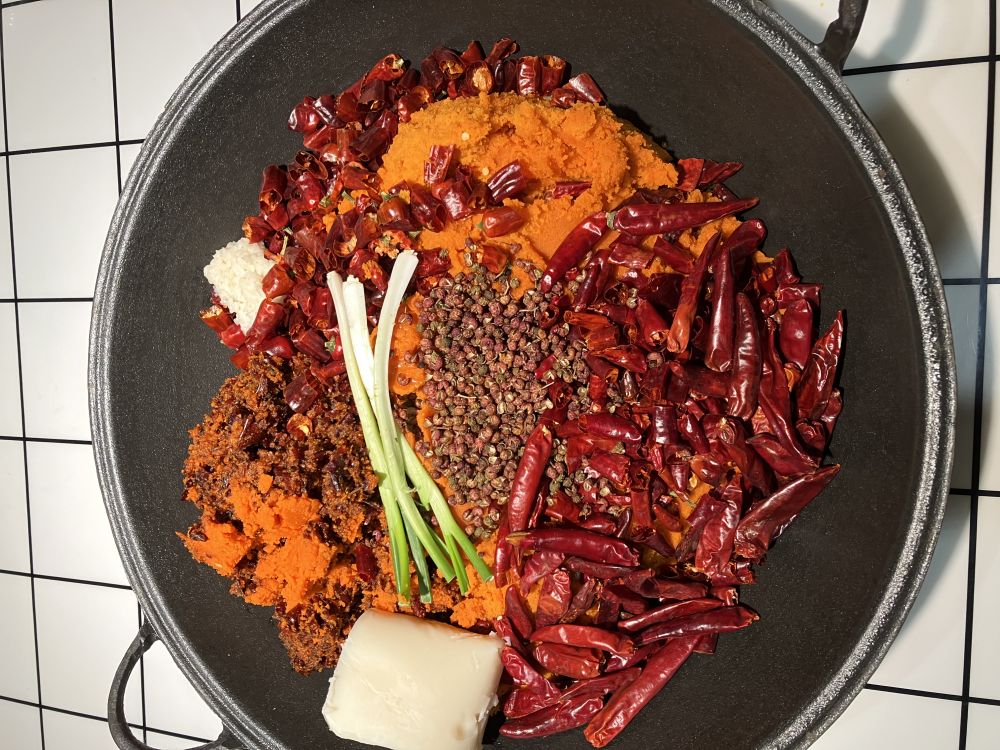
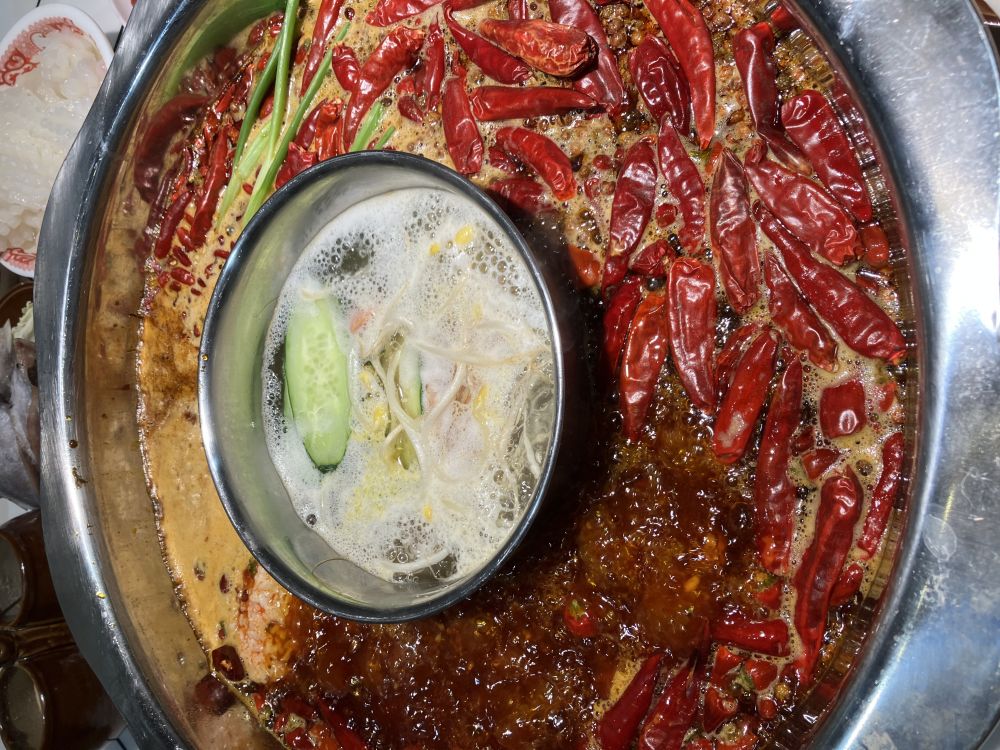
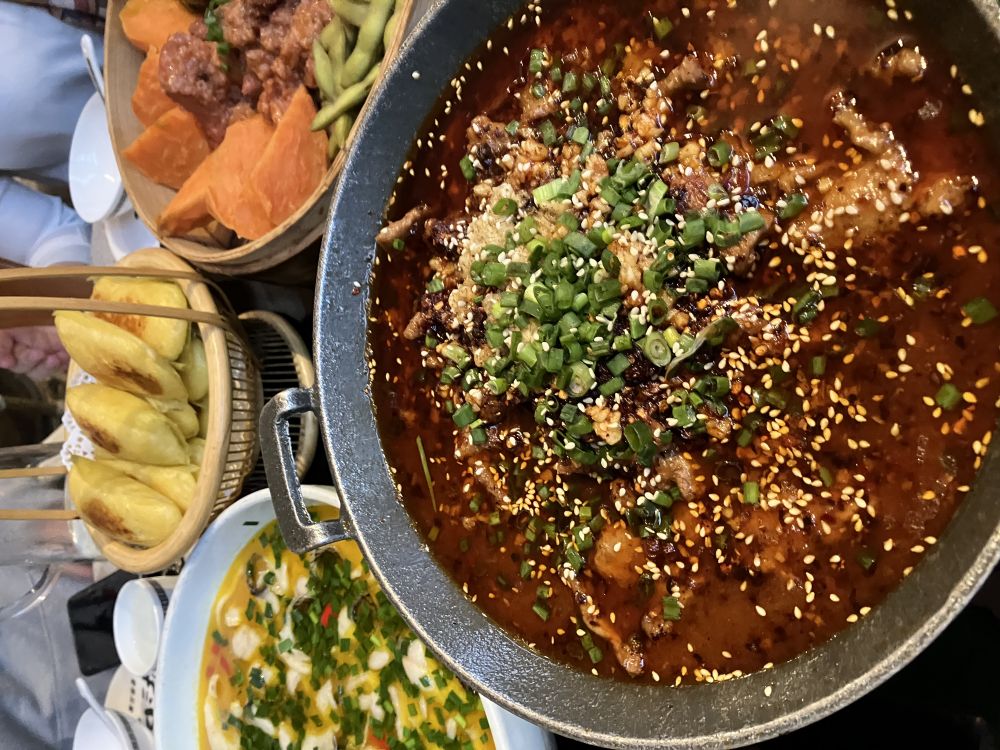
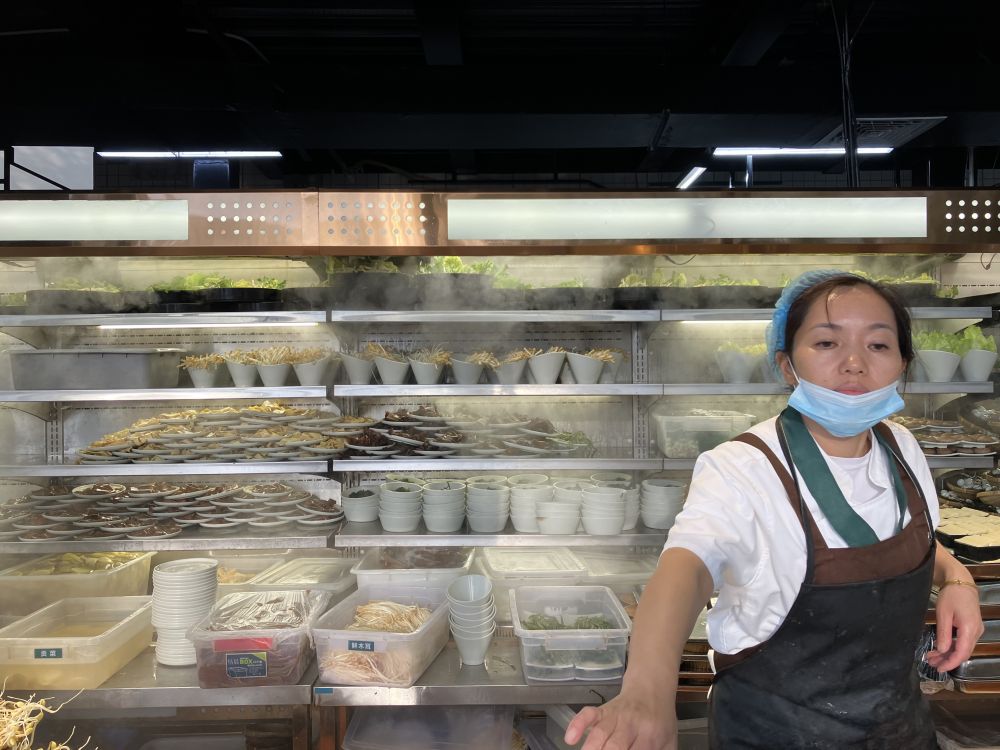
回到重庆,吃自然是无麻辣不欢。刚到姑爷家,为了倒时差,忍着想睡觉的感觉就加入大家一起吃午饭。家常菜,对他们来说没什么辣味,可是我们就有感觉了。虽然很想吃,也是心有余力不足。傍晚重庆的几个好友约了火锅店见面。一上来我就被震憾了:先是把没有放水的原料给大家展示了一下。红红黄黄的一大盆,感觉原料不要钱的感觉。看着就被辣到了。考虑到我,同学还是弄了一个鸳鸯锅,而我基本上都在白汤里洗着吃。
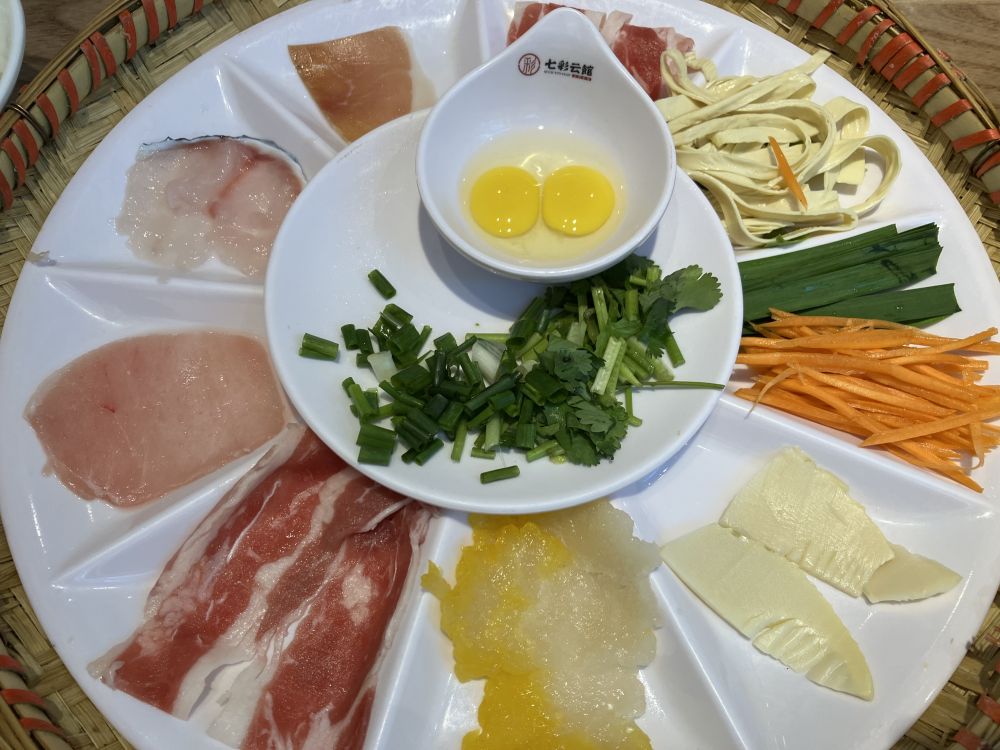
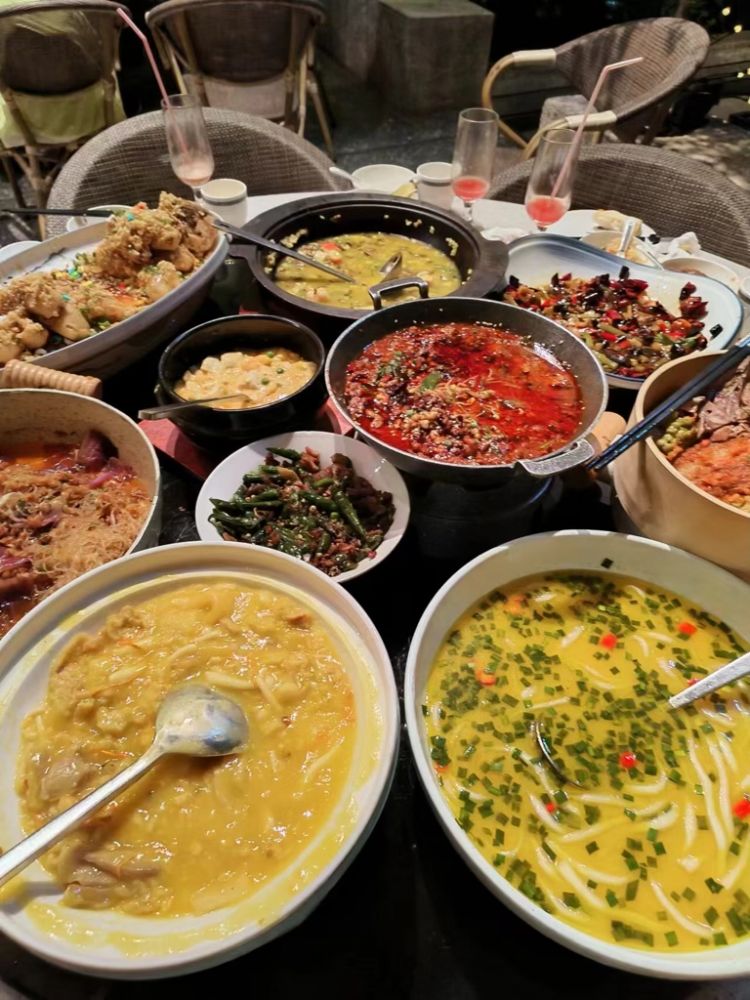
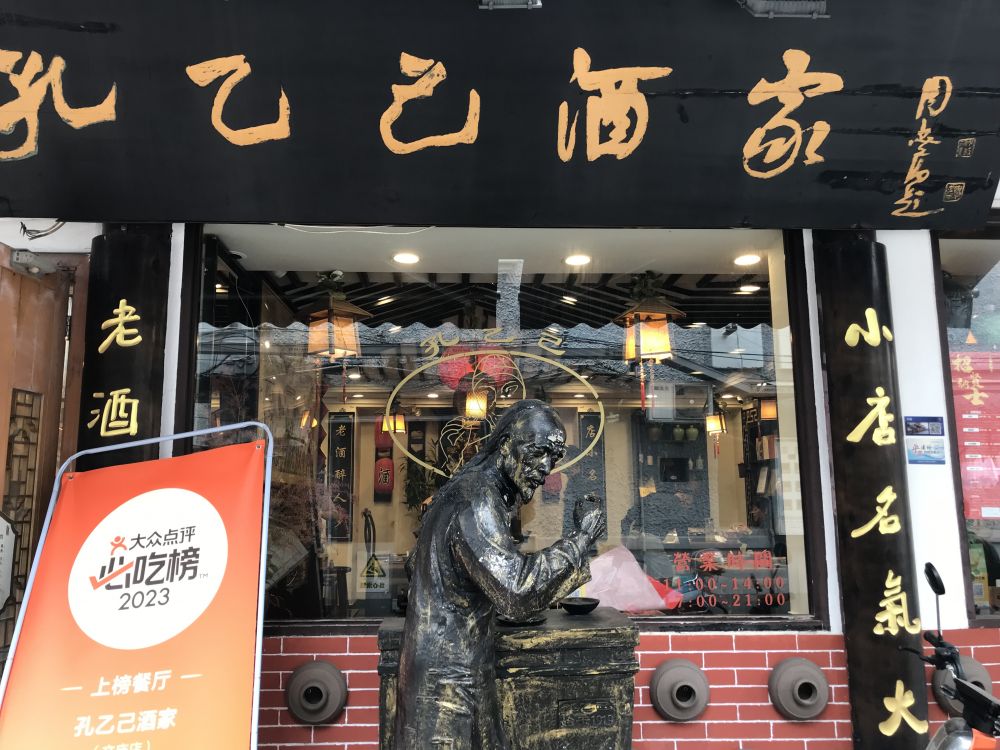
接下来几天婚宴,满月酒,和各方亲人的宴会其实基本上都是那几种经典的菜,反复不同的演绎。刚上菜的时候觉得盘子很大,东西不少,但其实主要就是川菜里的配菜调料,能吃的东西并不多,也算是不浪费。后来住到小朋友外婆家,被岳父拉到外面每天各种吃,吃了几次就真的累了。后来总算“逃”出来和小伙伴泡温泉,完了赶快去一家粥店,总算是清淡的中和了一下。说来有意思,我其实挺喜欢广式和江浙的风味,并不太喜辣。后来去上海苏州吃本帮菜,苏帮菜,绍兴菜更开心,因为可以吃出食材本来的味道。
到重庆的时候就在下雨一直到十几天后我离开。中秋的圆月变成了当时的月亮,没有看到。可是最大的惊喜是,虽然下雨,地上也挺干净的,完全不像小时候一样黑色脏水到处都是,然后那时候行人道上的地砖也装得不好,经常踩这头而那头就翘起来挤得脏水飞溅然后一裤子都是,走路就像在打超级玛丽兄弟要无比的小心。现在街道的干净程度比六年前,几乎是好了一个数量级。记得有人说过,不发达国家和发达国家的区别就是下过雨后,街上的泥泞程度。感觉在这一点上,中国已经慢慢的靠近发达国家了。后来发现是每一段都有人在值守,几乎是整个白天都在不断的清洁。即使是二十几年前上大学之前我就住的老房子周围,下面的小路也挺干净的。以前一些泥泞的黄土路也硬化了,基本上没有裸露的泥土表面,所以小路就不泥泞。基本上,现在做到了雨天也不用擦鞋了。
另外感觉就是楼房小区老化挺快的。六七年前看上去还是新崭崭的小区,感觉就已经变旧到看不出年代了。记得当时刚要搬入的时候周围还十分清境,让我们习惯乡村生活的人感觉十分不错。而我们这次回去的时候,周围的烟火气就很浓很浓了,外面各种各样的店铺都已经开满。步行十分钟,就到几年前开业的万达广场。这个广场就像一个磁铁一样,吸引着更多的住户,写字楼和行人。可惜并不是我喜欢的。
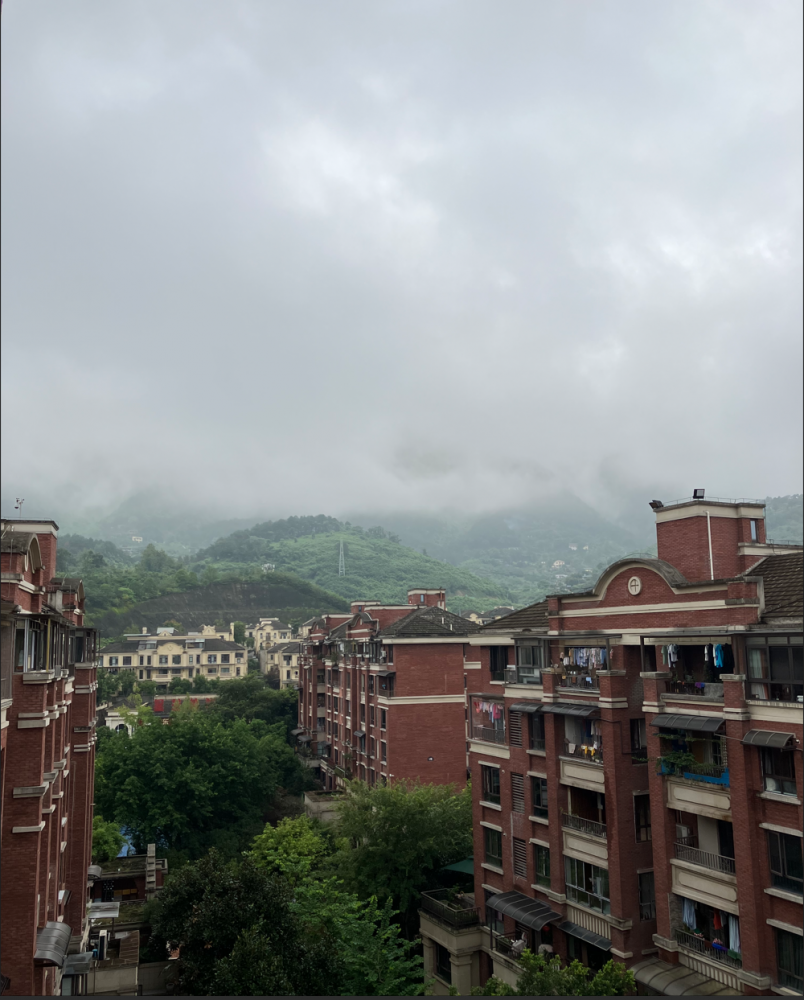
(云雨中的缙云山)
更正面的进步,便是厕所。虽然大部分设施的厕所仍然是蹲式,但总的来说干净不少。最可贵的是,不少地方都开始提供手纸了。虽然有时候是在入口的地方挂起来,你得记得拿几张,并不是每个单间里面都有。而且不少地方擦手的纸巾都跟在国外用的一样的规格。终于可以抓一把下来,把手好好的擦干。那种舒爽的感觉了让我感觉终于实现了吃喝拉撒都比较舒服的现代化。
国内的高铁自然不说,上次回去就已经体验了。这次最大的变化是电动车。感觉路上跑的小车有一半都是电车。而网约车基本上都是电车。那个体验真是让人“想吐”。基本上司机们都把便宜的电车当做高级跑车再用,几十万人民币开出了几十万美元的感觉。绿灯一亮,一下冲出去。加赛的时候,立马加速又停住。经常坐得有晕车想吐的感觉。听同学讲其实这些车质量不怎么样,但是多啊,电便宜啊,而且选择也多,各种牌子样子的都有。不像在这边,基本上就只有一个牌子。在城里跑其实够了,也不用担心没充电的地方,其实挺好的。
Translated by ChatGPT
After six years of not returning to China, my brain miraculously detected differences in the places, at least different from what I remembered. It felt like using a magnifying glass to observe the changes, and many of them left a deep impression.
Back in Chongqing, spicy food was a must. Just arriving at my uncle's house, despite the jet lag, I joined everyone for lunch to adjust my body clock. The home-cooked dishes, not very spicy for them, were quite spicy for me. Although I really wanted to eat, I couldn't handle the spice. In the evening, a few good friends from Chongqing invited me to a hot pot restaurant. I was shocked right away: they first showed everyone the raw ingredients without water. A big pot of red and yellow items, it felt like the ingredients were free. Just looking at it made me feel the spiciness. Considering me, my friends got a "duo-flavor" hot pot, and I mostly ate from the non-spicy soup.
In the following days, there were wedding banquets, baby's full moon celebrations, and various family gatherings, all featuring classic dishes, interpreted in different ways. When the dishes were first served, the plates looked large, and there seemed to be a lot, but mainly they were side dishes and seasonings from Sichuan cuisine. There wasn't much to eat, so it wasn't wasteful. Later, when I stayed at my friend's grandmother's house, my father-in-law took me out to eat every day. After a few times, I was really exhausted. Finally, I managed to "escape" and went to a hot spring with my friends. Afterward, we quickly went to a porridge restaurant, which finally balanced out the heavy meals. Interestingly, I actually prefer Cantonese and Jiangsu-Zhejiang cuisine and don't like spicy food much. Later, when I went to Shanghai and Suzhou and tried local dishes, I was happier because I could taste the original flavors of the ingredients.
It was raining when I arrived in Chongqing, and it continued until I left more than ten days later. I didn't get to see the full moon on Mid-Autumn Festival. However, the biggest surprise was that despite the rain, the streets were quite clean. It was nothing like when I was a child when black dirty water was everywhere, and the tiles on the sidewalks were poorly laid, causing dirty water to splash, and you had to be extremely careful not to get your pants dirty while walking, as if playing Super Mario Brothers. Now, the cleanliness of the streets has improved significantly compared to six years ago, almost reaching the level of developed countries. I heard someone say that the difference between developing and developed countries is the muddiness of the streets after rain. In this regard, China seems to be gradually approaching developed countries. I later found out that there are people on duty cleaning every section of the city, almost throughout the day. Even the small roads around the old house I lived in before going to university were quite clean. Some muddy yellow dirt roads have been hardened, and there is hardly any exposed muddy surface, so the small roads are not muddy. Basically, now you don't need to worry about cleaning your shoes even on rainy days.
Another observation is that buildings and residential areas are aging rapidly. Six or seven years ago, they still looked brand new, but now they have become so old that you can't tell their age. I remember when we were about to move in, the surroundings were very quiet, which felt nice to those of us who were used to rural life. However, when we went back this time, the atmosphere was bustling, and various shops had opened up everywhere. A ten-minute walk would take you to Wanda Plaza, which opened a few years ago. This plaza acts like a magnet, attracting more residents, office buildings, and pedestrians. Unfortunately, it's not my preference.
On the positive side, there has been progress in public restrooms. Although most facilities still have squat toilets, they are generally much cleaner. The most valuable thing is that many places have started providing toilet paper. Sometimes it's hung near the entrance, so you have to remember to grab a few sheets since not every individual stall has them. Moreover, the tissue for wiping hands is the same size and quality as those used abroad. Finally, I can grab a handful and thoroughly dry my hands. It gives me a refreshing feeling, and I feel like modernization has finally made it comfortable for eating, drinking, and using the restroom.
As for high-speed trains in China, I experienced them during my last visit. The biggest change this time was electric scooters. It seemed like half of the vehicles on the road were electric scooters. Most of the ride-hailing services also use electric scooters. The experience was quite nauseating. Drivers basically treat these cheap electric scooters as high-performance sports cars, driving them as if they were worth hundreds of thousands of dollars. When the green light comes on, they accelerate immediately and then stop abruptly when it's red. I often felt dizzy and nauseous from the ride. I heard from my classmates that these scooters don't have good quality, but they are cheap, and there are many options with various brands and styles. Unlike here, where there is basically only one brand. For city travel, it's sufficient, and you don't have to worry about finding a charging spot, which is quite convenient.
评论
发表评论