从渝北坐车过大桥,进到窄窄的滨江路,左边是混混黄黄的嘉陵江,右面是陡峭的石壁,有不少老楼房。有点老重庆的感觉了。然后车就慢了起来,路左边是一堆人,在街边站着盯着路对面留影惊呼。抬头一看,原来是李子坝到了,那个穿过房子的轻轨就在这里。再走一会,又是路边一堆人,原来是洪崖洞到了。景里景外一堆人。这才想起来同学告诉过现在重庆是网红城市,游人多,打卡的人也多。
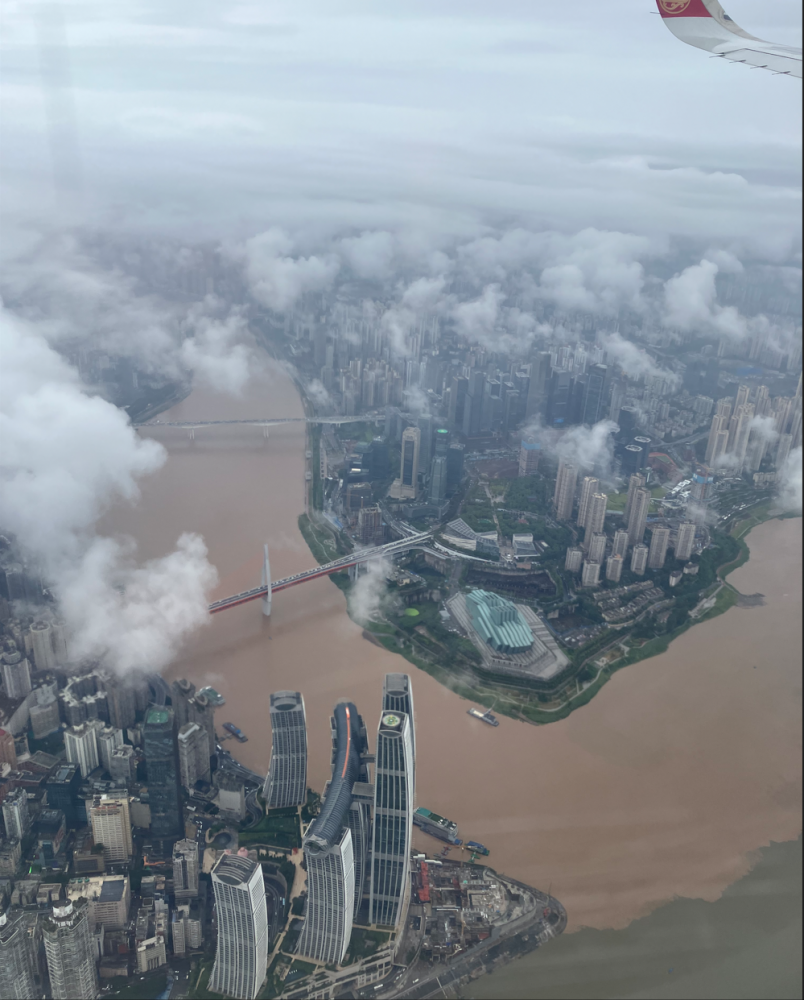
的确重庆还是很有一点特色。刚到的时候飞机下降快要降落江北机场的时候,刚穿过厚厚的云层,就给人强烈的视觉冲击,感觉到了一个魔幻的地方。看到朝天门新修的十分容易辨认的来福土,和它身后的一群大楼。然后是比长江还要黄的嘉陵江汇到青色的水里。江北的那个墨绿色的大剧场,后面跟着大片大片的细长的住宅大厦,半身长在云雨中。看到重庆的山头都长高了,变尖了,墨绿色的,在云雨显得暗暗的,感觉就是现成的水墨丹青画。记得我小时候的感觉这些山没有那么高和尖,不知道是它们长高了还是我的眼睛变钝了。
结果重庆就变成了网红城市,不想变成也难。回家晚上无聊打开电视直播选了一个国产电影叫忠犬八公,居然是重庆为背景。看到人提起电视剧《骄阳伴我》不错,打开一看,又是在重庆拍的,连仙女山都上镜了。记得近二十年前,从惊悚电影《好奇好害死猫》起,然后又是《疯狂的石头》就越来越多的电视电影在重庆取景。我当时的解释是,北京上海崭新的高楼大厦都看腻了,只有重庆还烂兮兮的拍出来有味道。现在重庆也基本上翻新了,但的确和其他平原上的城市的风格迥异。以前不觉得,在外时间长了才发现的确不一样。现在翻新后更是大气磅礴。网红的不好就是节假日人多。今年中秋长假的时候居然重庆排国内旅游目的地第二名,政府居然号招大家不要去那些网红景点,把地方留给外地游客。连涪陵的白鹤梁,816洞子都是里三层外三层票都订不到,真的是只能让我静心在家陪父母。
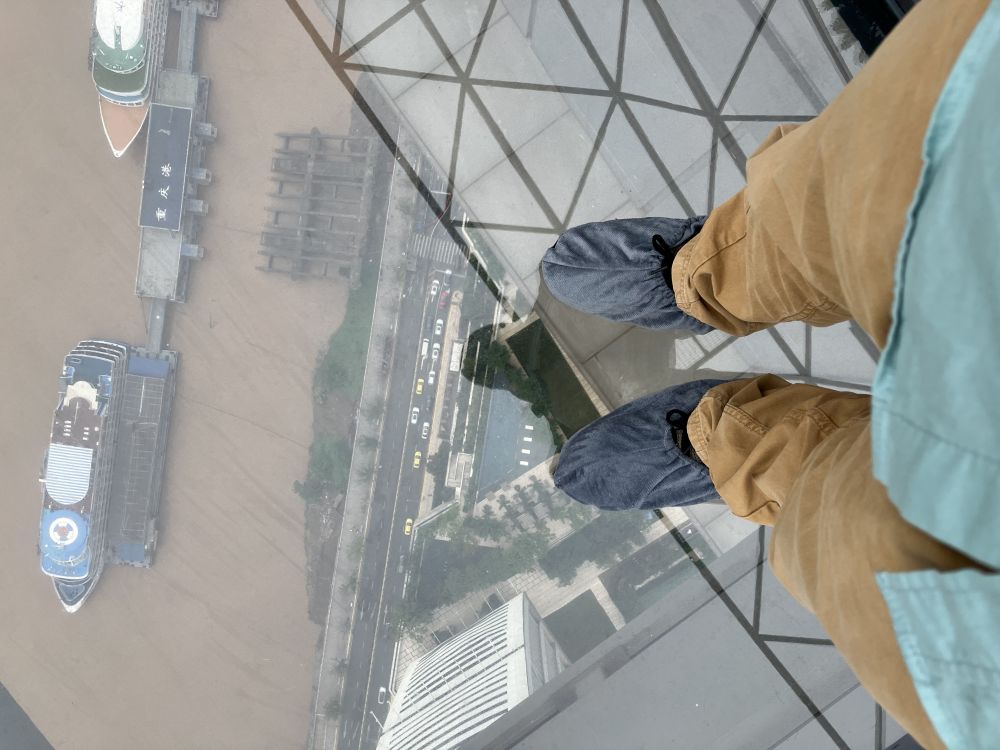
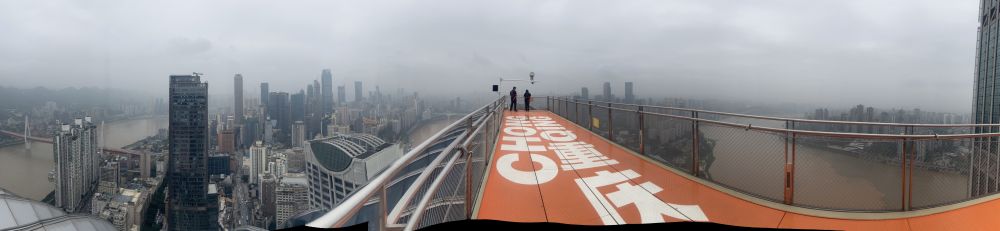
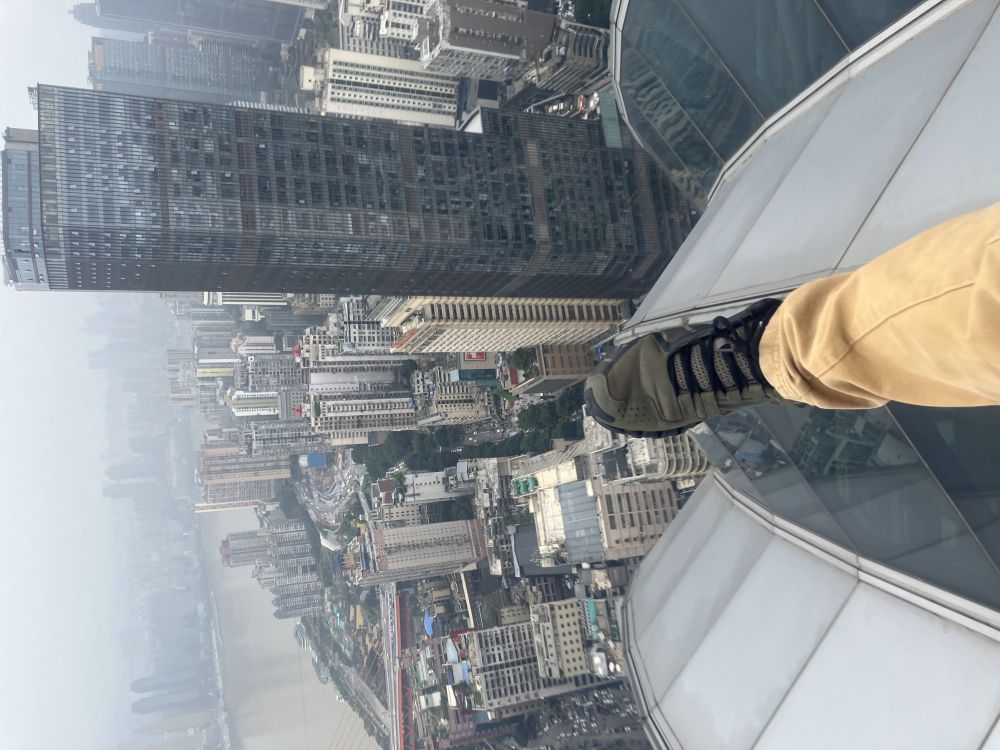
车到朝天门,在来福土前下了车。这个别致的楼群一看就知道是新加坡投资的,跟它那个兄弟那么像。好像重庆人民并不喜欢这个楼,大家提起的时候都是不屑的样子。我倒是对那个观景平台有点兴趣,所以一下车就奔了过去,发现居然可以到顶上楼外去走走。这个还真是不错的网红景点。带着小朋友和父母先去那个玻璃地板走了走,感觉就是在嘉陵江的正上方了,如果掉下去的话应该能掉到江水里。然后我一个人上到顶楼外面(后面才发现这不是《骄阳伴我》俩主角来吹风看广告的地方么)。还好那天去的时候是在长假之前,就三个人在上面。一对来自外地刚结婚的小夫妻看我一个人在外面走着“孤零零”的,主动帮我照相然后发给我,真是有点意思。周围都是高楼,比这个楼还高的楼。左边南山排列,右边江北渝北在云雾中看不到尽头。中间的渝中半岛伸向远方,解放碑就淹没在其中的高楼大厦之间。
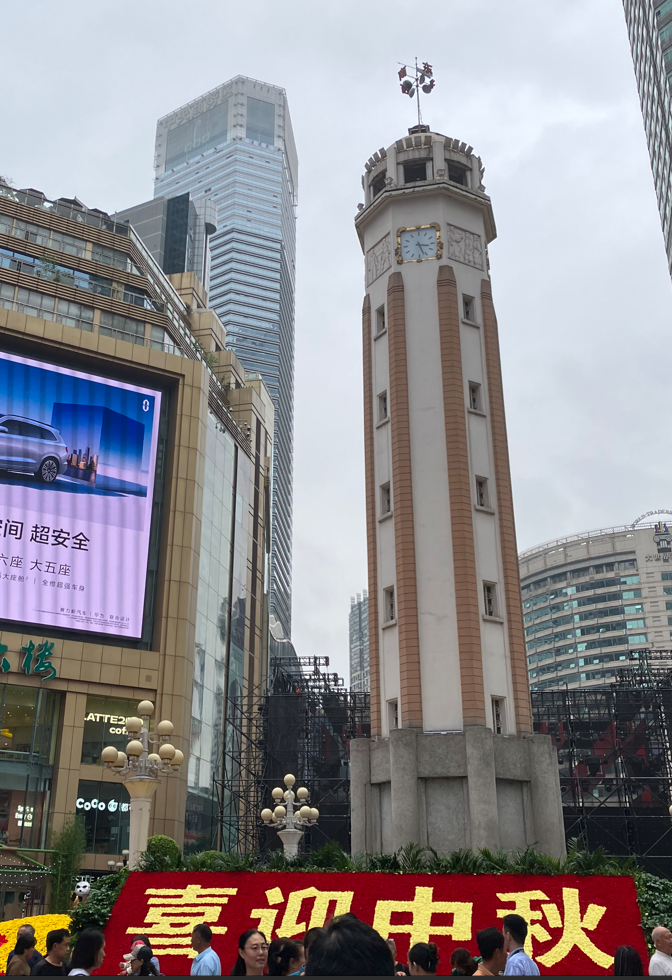
那天站在解放碑,二十多年的记忆一下子就点亮了。那是一个暑假的早上,刚下过雨,广场上一个人也没有,我从涪陵来到重庆,在解放碑那个电话亭边给投靠的同学打了个电话,然后等他从黄花园他外婆家来接我。解放碑似乎一点都没变,而他外婆早就过世了,外婆的家也早就拆迁了。我们也似乎一点儿都没变,只是经历了很多。
Translated by ChatGPT
Chongqing has become so vast and tall now: the mountains are high, and the buildings are high too. The city has expanded and become more spacious, but I don't recognize these new urban areas at all. In my memory, Chongqing was still about Chaotianmen, Jiefangbei, Xiaoshizi, Huanghuayuan... Huanghuayuan doesn't exist anymore; it has become a part of the Huanghuayuan Bridge. I haven't been to these places for over twenty years. My fragmented brain attempts to bridge a connection with the past, so I must go and turn yesterday's memories into today's reality.
Taking a car from Yubei, we crossed the bridge and entered the narrow Binjiang Road. On the left was the muddy Jialing River, and on the right were steep cliffs and many old buildings. It felt like the old Chongqing. The car slowed down, and on the left, there were people standing by the street, capturing moments and exclaiming in awe. I looked up and realized we had reached Liziba, where the light rail passes through buildings. A little further, another group of people by the roadside, it was Hongyadong. Crowds both inside and outside the attractions. It dawned on me that my classmates had told me Chongqing had become a popular city with many tourists and selfie enthusiasts.
Indeed, Chongqing still has its unique charm. When the plane was descending towards Jiangbei Airport, passing through thick clouds, it provided a strong visual impact, giving a feeling of a magical place. I saw the easily recognizable Luohan Temple recently built at Chaotianmen, and behind it, a cluster of tall buildings. Then there was the Jialing River, even yellower than the Yangtze River, merging into the blue water. The dark green theater in Jiangbei, followed by rows of slender residential buildings, partially hidden in the clouds and mist. The mountaintops in Chongqing appeared taller and sharper; their dark green color seemed even darker amidst the clouds and rain. It felt like a ready-made Chinese ink painting. I remember feeling these mountains weren't as high and sharp when I was a child. I don't know if they have grown taller or my eyes have become duller.
As a result, Chongqing has become a popular city, and it's hard not to become one. One night, feeling bored, I turned on the TV and randomly chose a Chinese movie called "Hachikō Monogatari," and it was set in Chongqing. People recommended a TV series called "With the Pride of the Sun," and upon watching it, I realized it was also filmed in Chongqing, even featuring Xian Nu Shan (Fairy Maiden Mountain). I remember nearly twenty years ago, starting from the horror film "Curiosity Kills the Cat" and then "Crazy Stone," more and more movies and TV shows were filmed in Chongqing. My explanation back then was that we were tired of seeing the brand-new skyscrapers in Beijing and Shanghai; only Chongqing, with its slightly shabby appearance, could capture a unique flavor on screen. Now, Chongqing has undergone renovations, yet its style remains distinct from other cities on the plains. I didn't notice it before, but after spending time away, I realized its uniqueness. After the renovations, Chongqing has become even more grand and impressive. The downside of being a popular destination is the crowds during holidays. During this year's Mid-Autumn Festival, Chongqing surprisingly ranked second among domestic tourist destinations. The government even called on locals not to visit these popular attractions, leaving the places for tourists from other regions. Even Fuling's Baihelang and 816 Underground Nuclear Plant were so crowded that it was impossible to get tickets. I had no choice but to stay at home and accompany my parents quietly.
When the car arrived at Chaotianmen, I got off before Raffle City Building. The distinctive group of buildings indicated it was an investment from Singapore, resembling its counterpart there. It seems that the people of Chongqing don't like this building; whenever it's mentioned, they show disdain. I was somewhat interested in the observation deck, so I hurried over. To my surprise, I could walk outside on the top floor. This was indeed a popular tourist spot. I walked on the glass floor with my child and parents, feeling like we were right above the Jialing River. If we fell, we would probably land in the river. Then I went up to the rooftop alone (later, I found out this was where the two main characters in "With the Pride of the Sun" went to enjoy the breeze and see the advertisements). Luckily, I went there before the long holiday, and there were only three people up there. A newlywed couple from out of town saw me walking "alone" outside and volunteered to take pictures for me, which was quite amusing. There were tall buildings all around, even taller than this one. South Mountain lined the left side, while Jiangbei and Yubei disappeared into the mist on the right. The Yuzhong Peninsula stretched into the distance, with Jiefangbei engulfed among the tall buildings.
That day, standing at Jiefangbei, memories from over twenty years ago suddenly came to life. It was a summer morning after the rain. There was no one on the square. I had just arrived in Chongqing from Fuling and called my classmate from a phone booth near Jiefangbei to pick me up from his grandmother's house in Huanghuayuan. Jiefangbei seemed unchanged, but his grandmother had long passed away, and her house had been demolished. We seemed unchanged too, but we had gone through a lot.
评论
发表评论